
20 Year Guarantee
40+ Years In Business
Top Rated On TrustPilot
Buy Now Pay Later
18 Months Interest-Free Finance
A warm home is not simply one with the heating turned up. It is a home that holds on to warmth, limits unwanted draughts and maintains a more comfortable temperature from room to room. From improving old windows and external doors to upgrading an uncomfortable conservatory, this guide helps you decide which changes could make the biggest difference.

The best place to start is by reducing unwanted heat loss. Check your insulation and look for draughts before assessing the condition of your windows, external doors and glazed living spaces. Energy-efficient glazing, properly sealed doors and an insulated conservatory roof can all improve comfort, but the most effective plan considers the property as a whole.
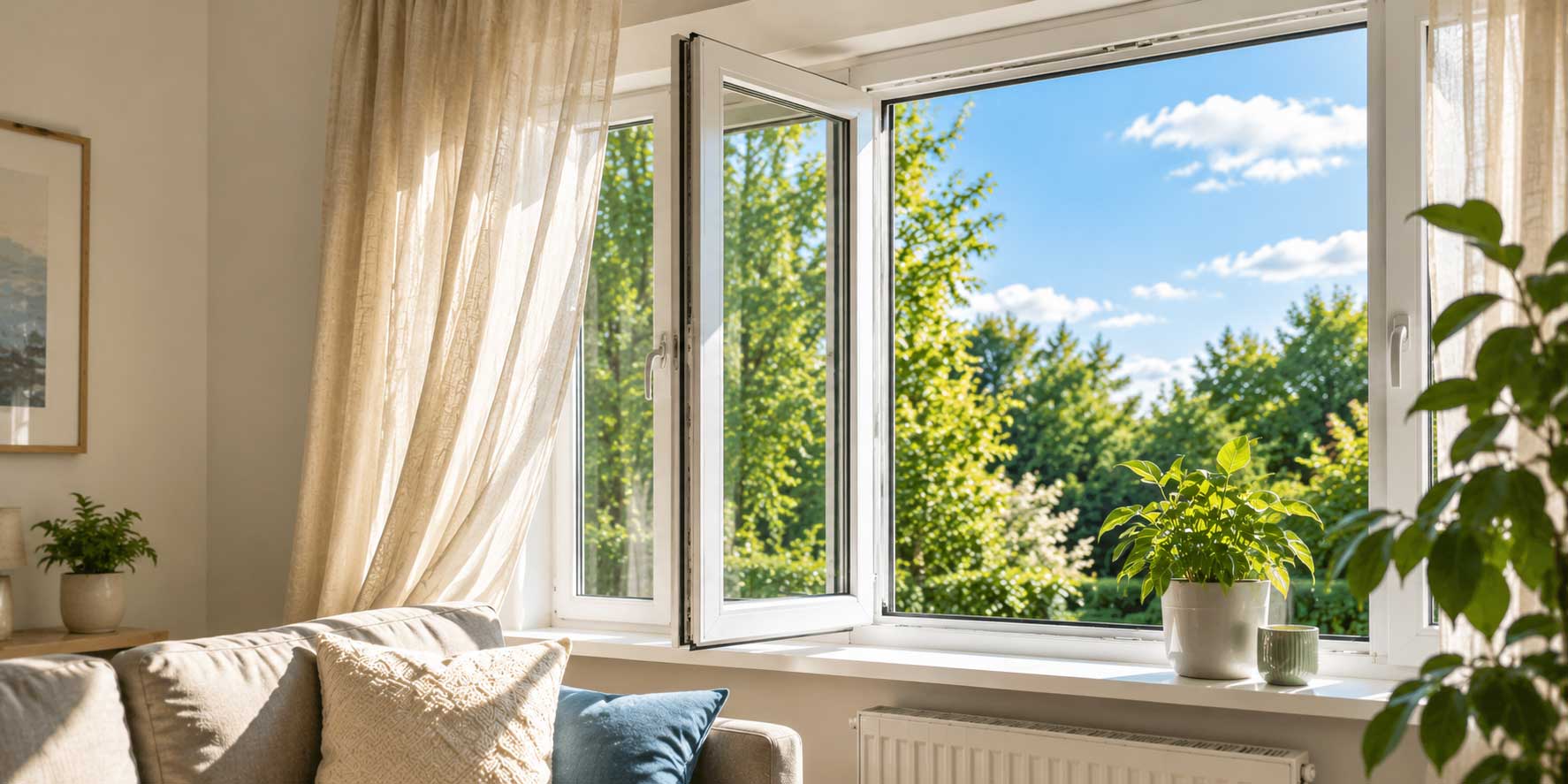
Reduce cold spots and help rooms maintain a steadier temperature.
A home that holds warmth for longer should require less energy to maintain a comfortable temperature.
Well-fitted windows, doors and seals help prevent uncontrolled cold air entering the home.
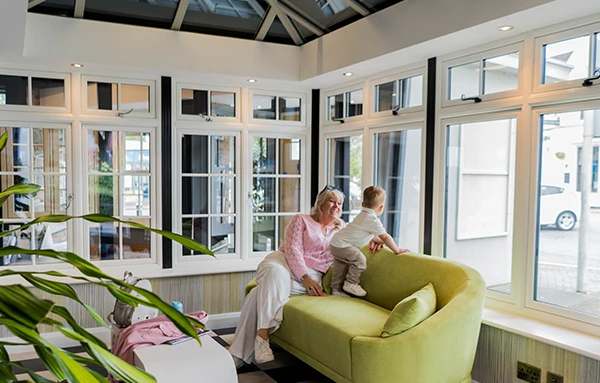
Improving an uncomfortable conservatory can turn it into a room the family can enjoy throughout the year.
Energy-efficient windows and doors can reduce heat loss, draughts and cold spots, while insulation and controlled ventilation help the rest of the home retain warmth without trapping excess moisture. A whole-home approach — fabric, glazing and ventilation together — is more effective than treating glazing as the only solution.
A home loses warmth through a combination of its roof, walls, floors, windows, doors and uncontrolled gaps. In a typical uninsulated property, approximately 25% of heat can be lost through the roof, around 33% through the walls and between 10% and 20% through the floor. This is why glazing should form part of a wider home-efficiency plan rather than being treated as the only solution.
Warm air rises, making an uninsulated loft or roof one of the first areas worth investigating. Check the depth and condition of your insulation and look for areas where insulation has been moved, compressed or left incomplete.
Choose what you have noticed to see what it usually points to and what to do next.
First check whether the draught is coming from an opening window, the frame, the edge of a door or the surrounding wall.
Worn seals, loose hinges and small gaps may be repairable. Persistent draughts, distorted frames or windows that no longer close correctly could indicate that a replacement is worth considering.
Draught-proofing should target unwanted gaps without blocking trickle vents, extractor fans, air bricks or ventilation required for fireplaces and gas appliances. Controlled ventilation is important for maintaining healthy air quality and managing condensation.
Whether you’re making small adjustments or planning a complete upgrade, it helps to match the work to your priorities and budget. Explore three levels of improvement below.
Inspect window seals, hinges, handles and door alignment. A minor adjustment may be enough to help an otherwise sound product close correctly.
Use appropriate seals around opening windows, external doors and letterboxes, but do not cover permanent ventilation.
Close lined or thermal curtains at dusk, making sure they do not cover radiators or prevent heat circulating into the room.
Check that timers, thermostats and individual radiators are working together effectively rather than overheating some rooms while leaving others cold.
Leave trickle vents and other required ventilation open. A home should be protected from uncontrolled draughts without becoming inadequately ventilated.
Where a full-house replacement is not currently practical, prioritise rooms with single glazing, failed sealed units, persistent draughts or obvious frame damage.
A well-sealed, insulated front door can reduce draughts while improving security and the appearance of the property.
Replacing an outdated conservatory roof can be a focused way to recover a room that currently goes unused for part of the year.
Modern patio, sliding or bifold doors can combine a strong connection to the garden with improved glazing and weather sealing.
Replacing multiple poorly performing products together can create more consistent comfort, appearance and performance throughout the property.
Combine glazing improvements with appropriate loft, wall and floor insulation to prevent heat simply escaping elsewhere.
A warmer and more airtight home still needs controlled fresh air. Consider ventilation before completing major draught-proofing or insulation work.
An Energy Performance Certificate can highlight recommended improvements to the building fabric, insulation and heating system. EPC ratings assess the performance of the building and its fixed services under standard occupancy assumptions.
A strong, widely specified standard for energy-efficient replacement windows.
Window Energy Ratings use a scale from A++ to E. They assess the complete window, including its glass and frame, and consider heat loss, air leakage and useful solar gain.
This makes the rating a helpful way to compare the overall energy performance of different windows.
An easy way to remember it: for a Window Energy Rating, a higher letter grade is better. For a U-value, a lower number is better.
A common target for modern, energy-efficient replacement windows.
Illustrative figures — always ask for the complete-window U-value for a specific product.
A U-value measures how easily heat passes through a material or complete building element.
The lower the U-value, the more slowly heat passes through it and the better its insulating performance. However, a U-value does not account for every aspect of window performance, which is why it should be considered alongside the complete energy rating.
An easy way to remember it: for a Window Energy Rating, a higher letter grade is better. For a U-value, a lower number is better.
Energy-efficient windows, well-sealed external doors and an insulated warm roof each play a part. Explore the options below, then use the buying guide to decide where to start.
Modern external doors use effective seals around the door and frame, while composite and uPVC doors may contain insulated cores. Wombourne’s 70mm solid-core composite doors include a double-rebate seal and triple glazing as standard, helping improve draught resistance and thermal performance.
Illustrative Energy Saving Trust estimate for replacing all single glazing in a semi-detached home with A-rated double glazing (Great Britain). Not a guaranteed saving for an individual property.


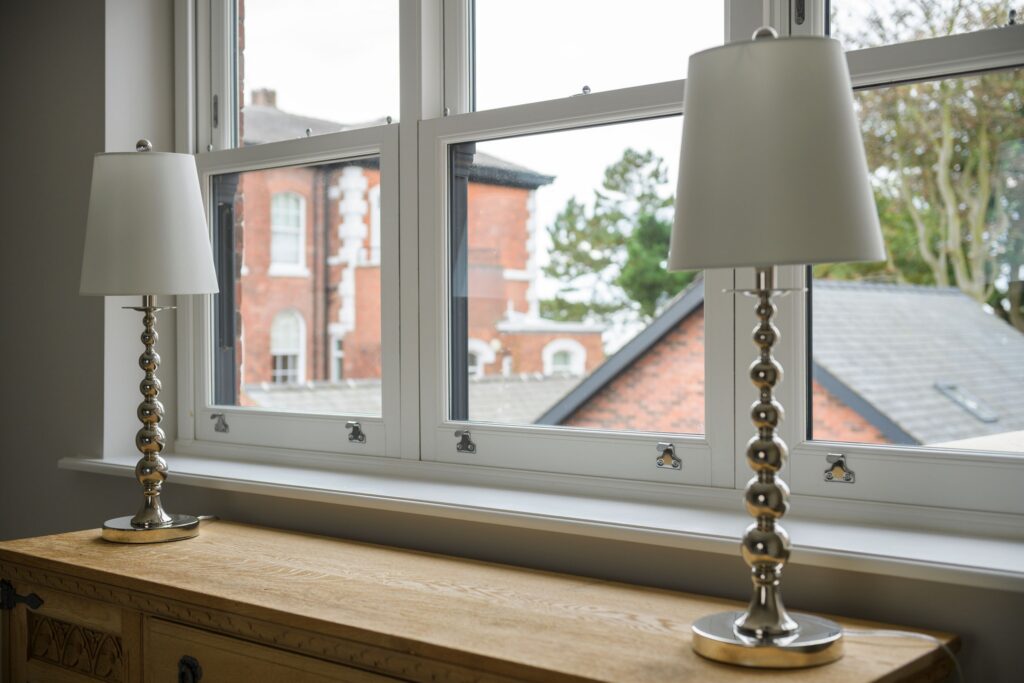
Insulated glazing, thermally efficient frames and effective seals — in uPVC, aluminium and timber casement or sash styles.

Composite, uPVC, aluminium and timber doors with insulated cores, weather sealing and correctly fitted thresholds.
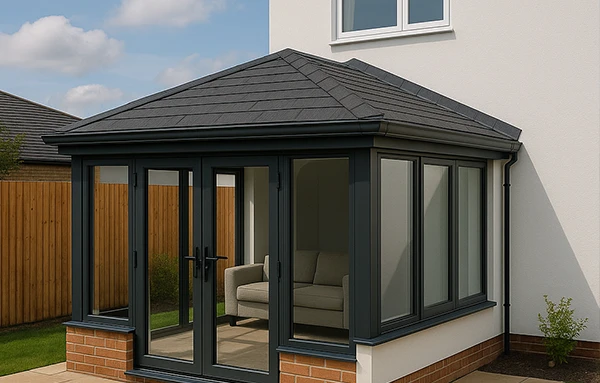
Replace an old glass or polycarbonate conservatory roof with an insulated warm roof for a more comfortable, room-like space.
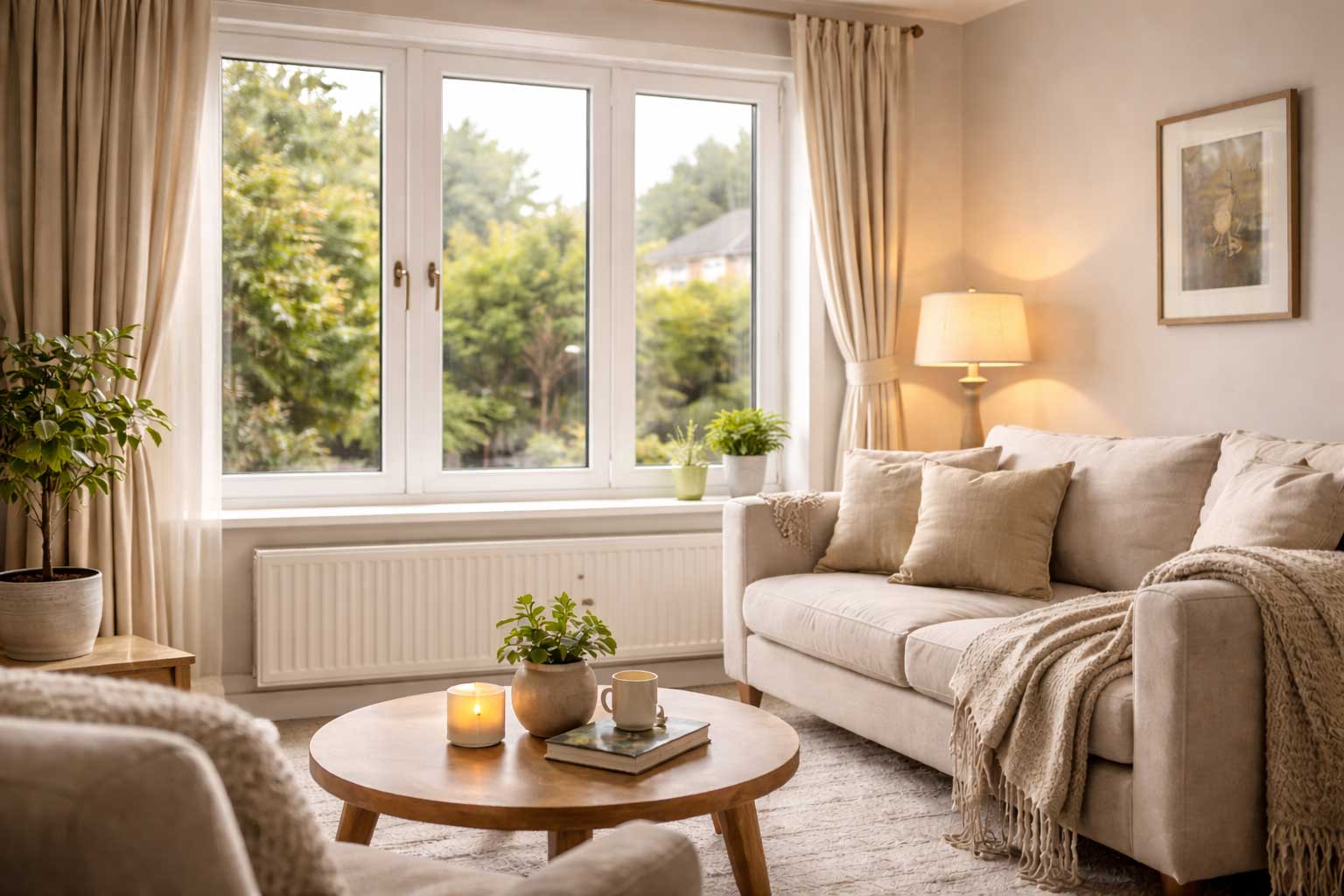
Compare Window Energy Ratings, whole-window U-values and glazing specifications in more detail before you decide.
Explore Wombourne’s Customer Projects
Whether you’re making one simple change or planning a full exterior makeover, these exterior home design ideas and exterior home improvement ideas can help improve your home’s exterior, create a more attractive home, and increase kerb appeal for years to come.
Explore Wombourne’s Customer Projects
Explore a selection of recent projects completed by the Wombourne Windows team. See how we’ve helped homeowners transform their properties with stylish, energy-efficient glazing solutions.
Flush Casement Windows, Orangery
Bifold Doors, Orangery
Conservatory, Flush Casement Windows, Patio Doors
Conservatory, Flush Casement Windows
Begin by identifying and reducing unwanted draughts around windows, doors, floors and unused fireplaces. Closing lined curtains at dusk and using heating controls effectively can also help. Do not block permanent ventilation, extractor fans or trickle vents.
New windows are most likely to provide a noticeable improvement where the existing windows are single glazed, draughty, damaged, badly fitted or have failed sealed units. If relatively modern windows remain in good condition, adjustments or repairs may be more appropriate.
Both can provide good thermal performance. Triple glazing may offer additional insulation and noise reduction, but its suitability depends on the complete window specification, property, orientation, budget and installation. Compare the Window Energy Rating and complete-window U-value rather than making a decision based only on the number of panes.
A lower U-value indicates that less heat passes through the window. The correct target will depend on current Building Regulations, the property and the product being installed. Ask for the complete-window U-value rather than a centre-pane glass value.
More efficient glazing can make the inside surface of the glass warmer and may reduce condensation on the window. However, condensation is also influenced by indoor moisture, heating and ventilation. Persistent condensation or mould should be investigated rather than treated solely as a window problem.
Condensation between panes normally indicates that the sealed glazed unit has failed. The glass unit may be replaceable, although the condition and age of the frame should also be considered.
Yes. Some homeowners prioritise the coldest rooms or the windows in the poorest condition. Others choose a complete replacement to achieve consistent appearance and performance throughout the property.
Performance depends on the complete door system, including its core, glazing, frame, threshold, seals and installation. Solid-core composite doors are a popular choice where thermal performance, weather resistance and security are important.
Check the condition of the roof, glazing, frames, doors and heating. Replacing an old polycarbonate or basic glass roof with an insulated warm roof can be an effective option where the existing structure is suitable.
Often, yes. The existing frames, base and structure must first be surveyed to confirm that they are suitable and can support the proposed replacement roof system.
No. Unwanted gaps can be sealed, but you should not block trickle vents, extractor fans, air bricks or ventilation needed for combustion appliances. A warm home still needs a reliable supply of controlled fresh air.
Windows form part of an EPC assessment and replacing poor glazing may contribute to an improved rating. However, the final result also depends on insulation, heating, hot water, lighting and the rest of the building.
Visit Our Showroom
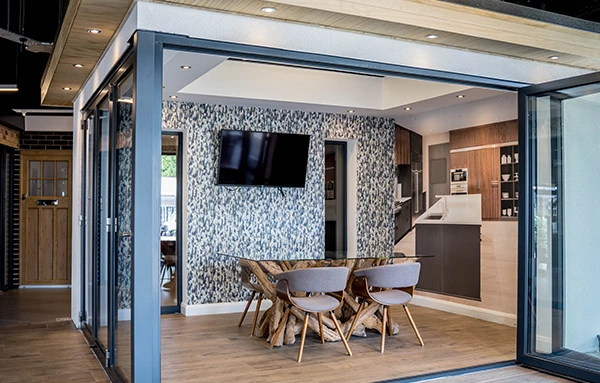
You are not far from one of our showrooms. Where modern innovation meets classic design, our glazing showrooms are curated to spark your imagination. Showcasing a huge range of windows and doors, you’re bound to find inspiration for your home.
Need help? We have a team of experts at hand that will happily discuss your project and guide you.
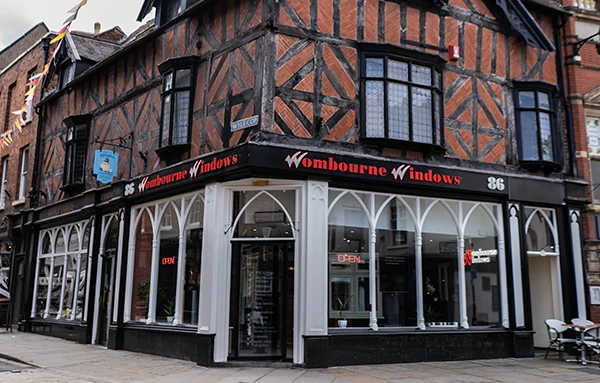
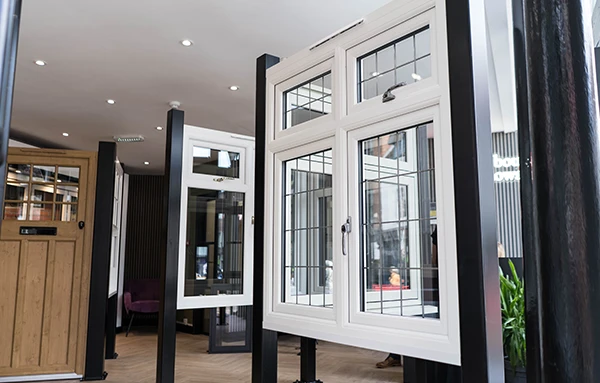
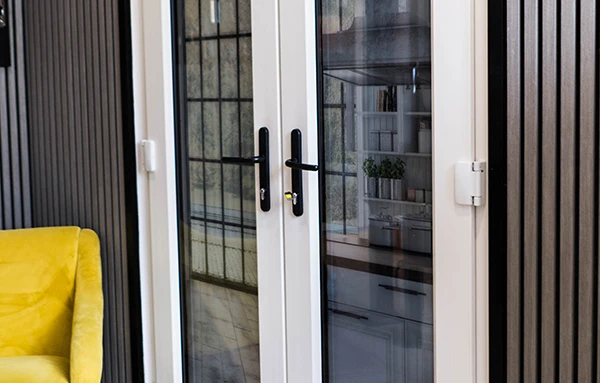
Shrewsbury
Our Showroom is a haven of inspiration for your home improvement. Witness the blend of innovation and tradition in every product we offer.
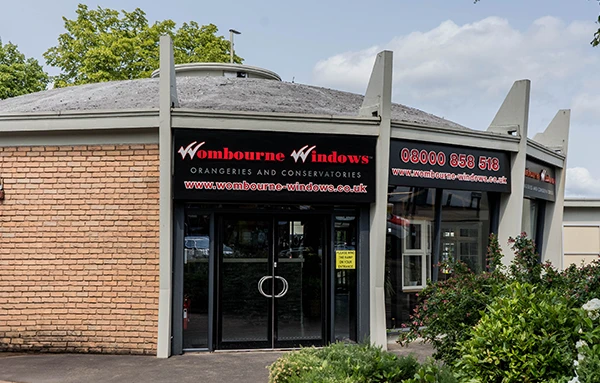
Kingswinford
Step into our Showroom to experience the quality and elegance of our products first-hand. Immerse yourself in an array of styles and designs that can transform your home.